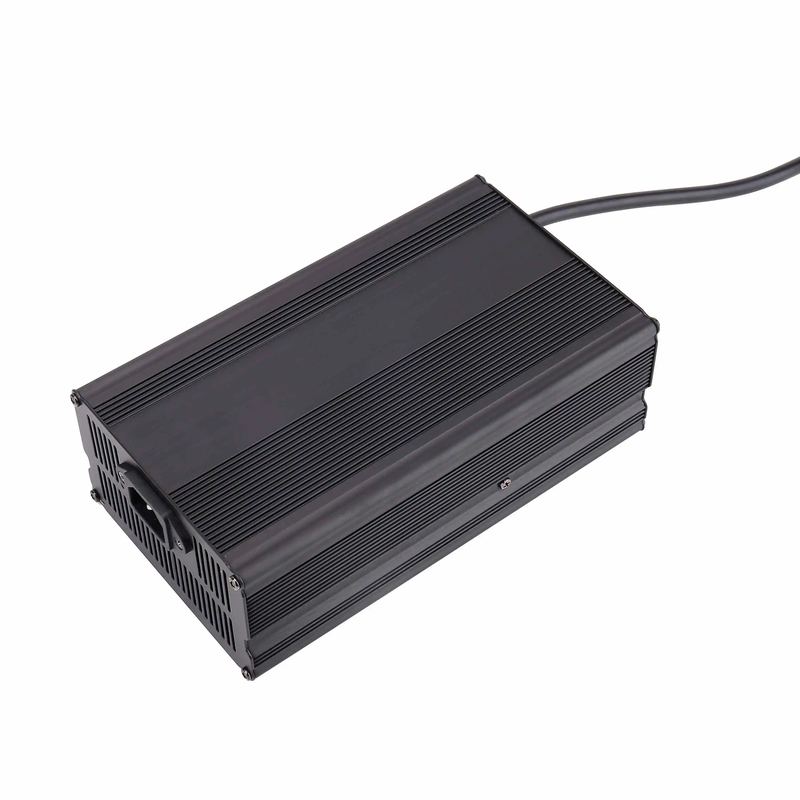
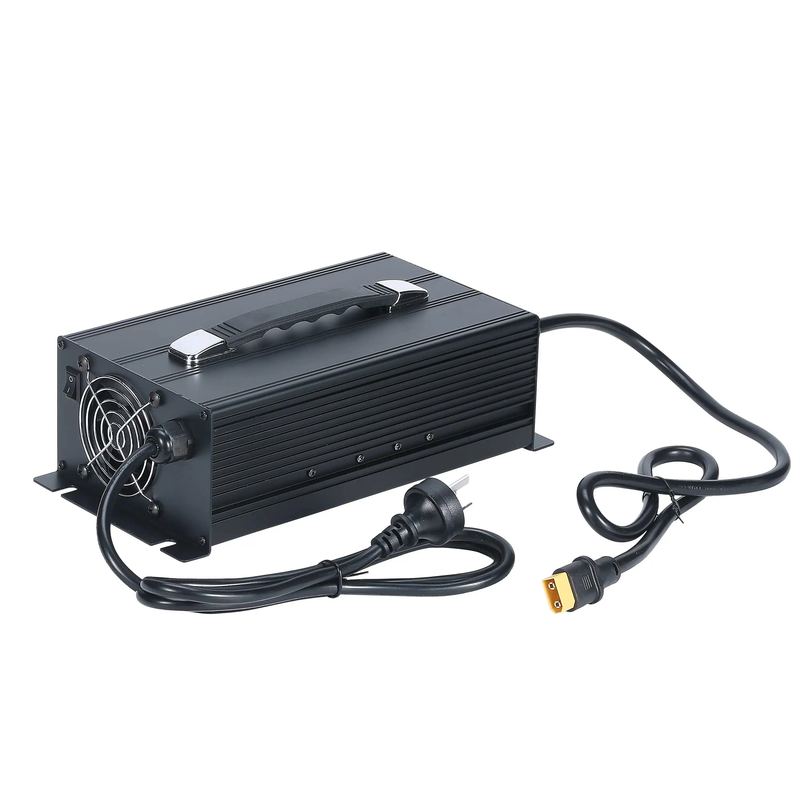
LiFePO4 charger specification fit
LiFePO4 charger projects should start with the battery pack design, charge voltage, allowed current and BMS requirements. Do not substitute a generic lithium-ion charger unless the battery maker confirms the charge profile is correct.
- Confirm LiFePO4 chemistry and series count
- Check nominal voltage and full-charge voltage
- Review BMS maximum charge current
- Match charger profile to the battery pack design
Power platform selection
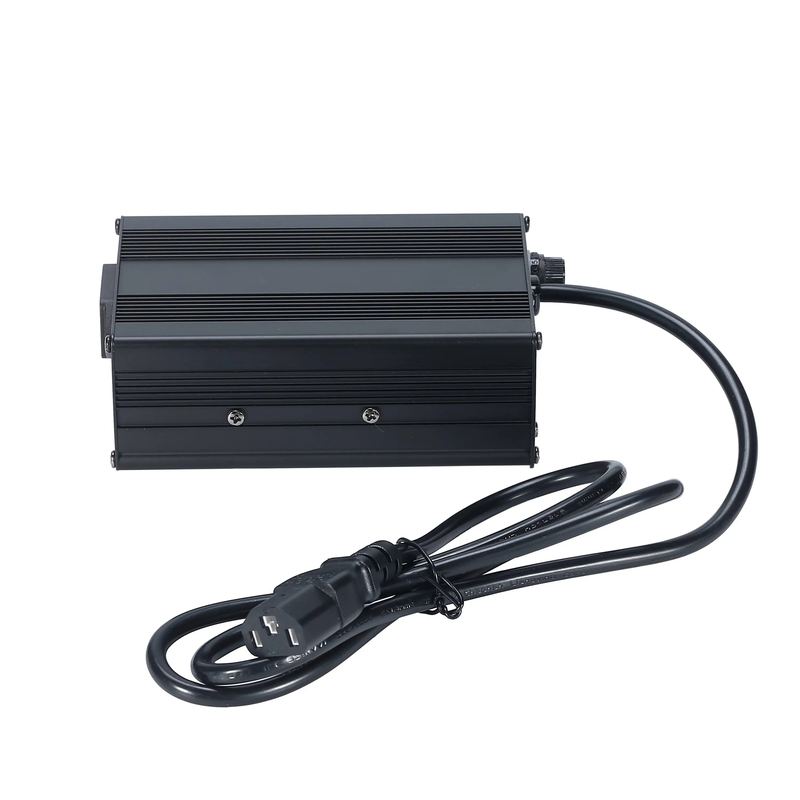
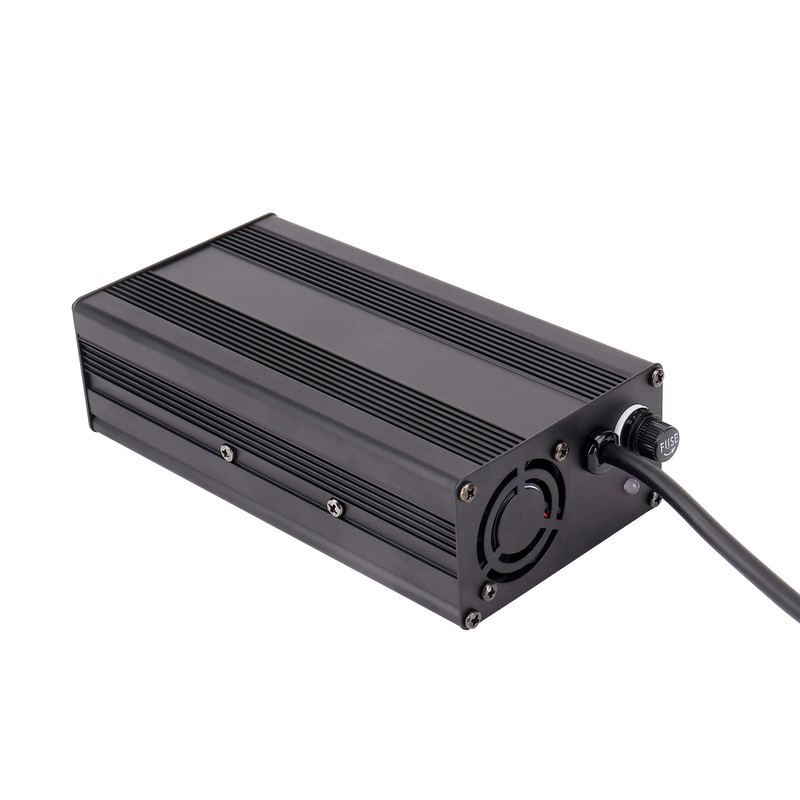
USA OEM projects can begin with 300W, 500W, 600W, 900W or 2000W charger platforms depending on battery capacity, charging time target, thermal conditions and installation space.
- 300W and 500W for light e-mobility packs
- 600W for higher-capacity e-bike, scooter and electric motorcycle projects
- 900W for golf cart and high-power mobility programs
- 2000W for EV, utility vehicle and industrial battery packs
Connector, cable and label planning
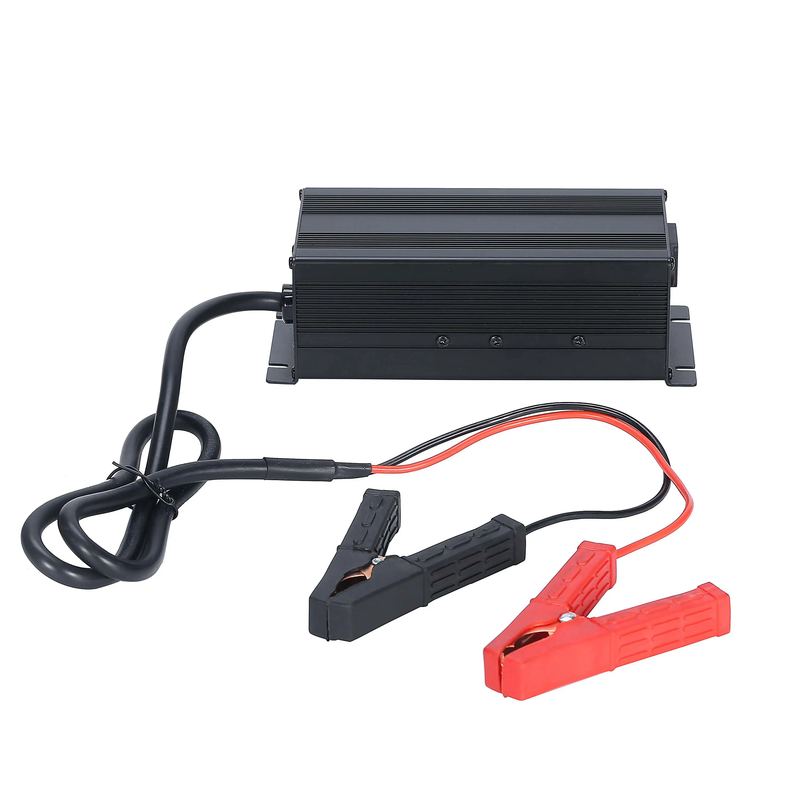
The electrical profile is only part of the sourcing decision. Buyers should define output connector, cable gauge, polarity, strain relief, AC plug, private-label artwork and packaging expectations before sample approval.
- Anderson, XT60, XLR, clamp output or custom harness
- Cable length, cable gauge and polarity
- US AC plug and label requirements
- Private-label packaging or manual needs
Best-fit buyer profiles
This page is written for USA battery pack builders, golf cart and utility vehicle service channels, mobility equipment brands, industrial battery integrators and OEM/ODM buyers. JuxonPower's minimum order quantity is 100 pcs.