Buyer guide

42V vs 54.6V vs 67.2V chargers.

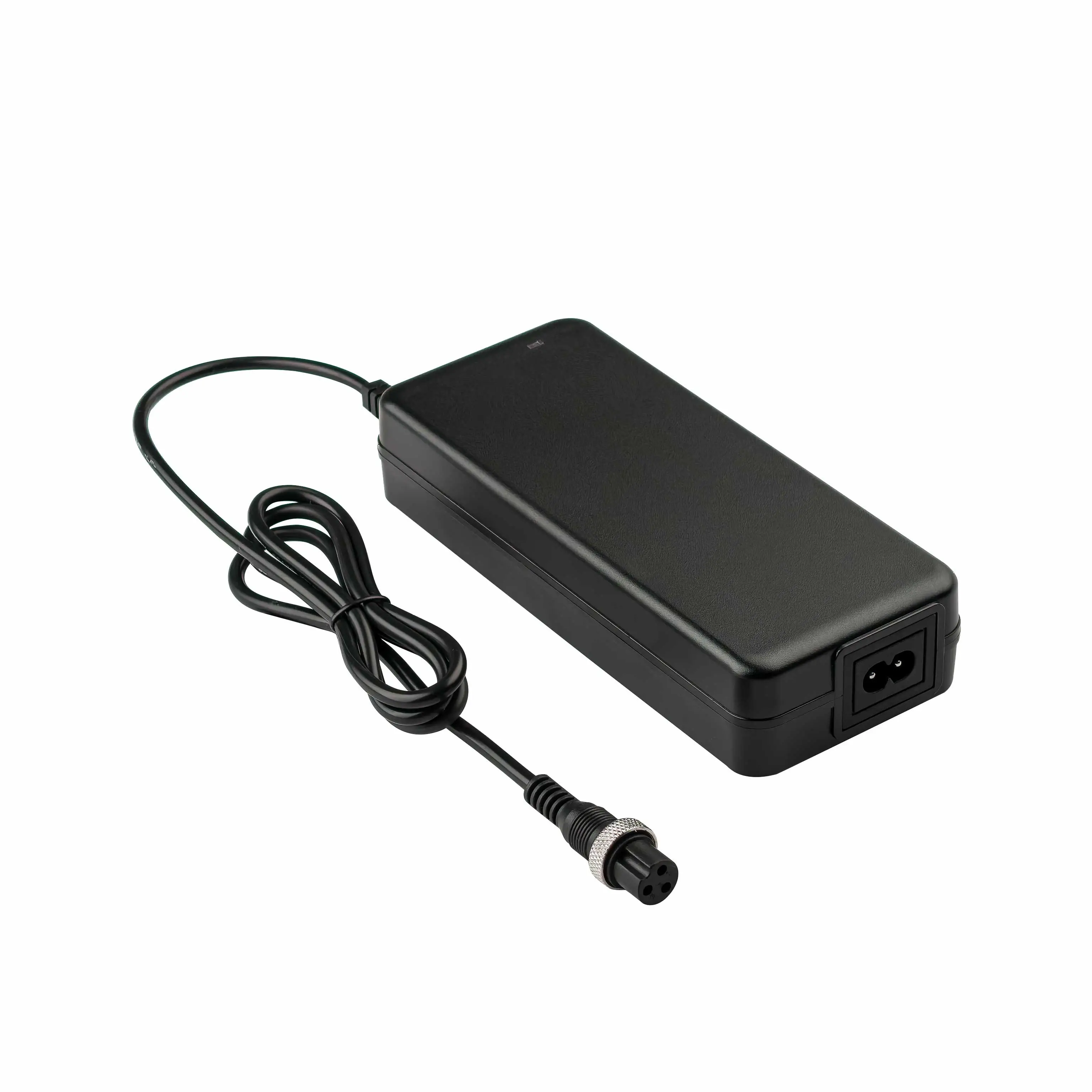
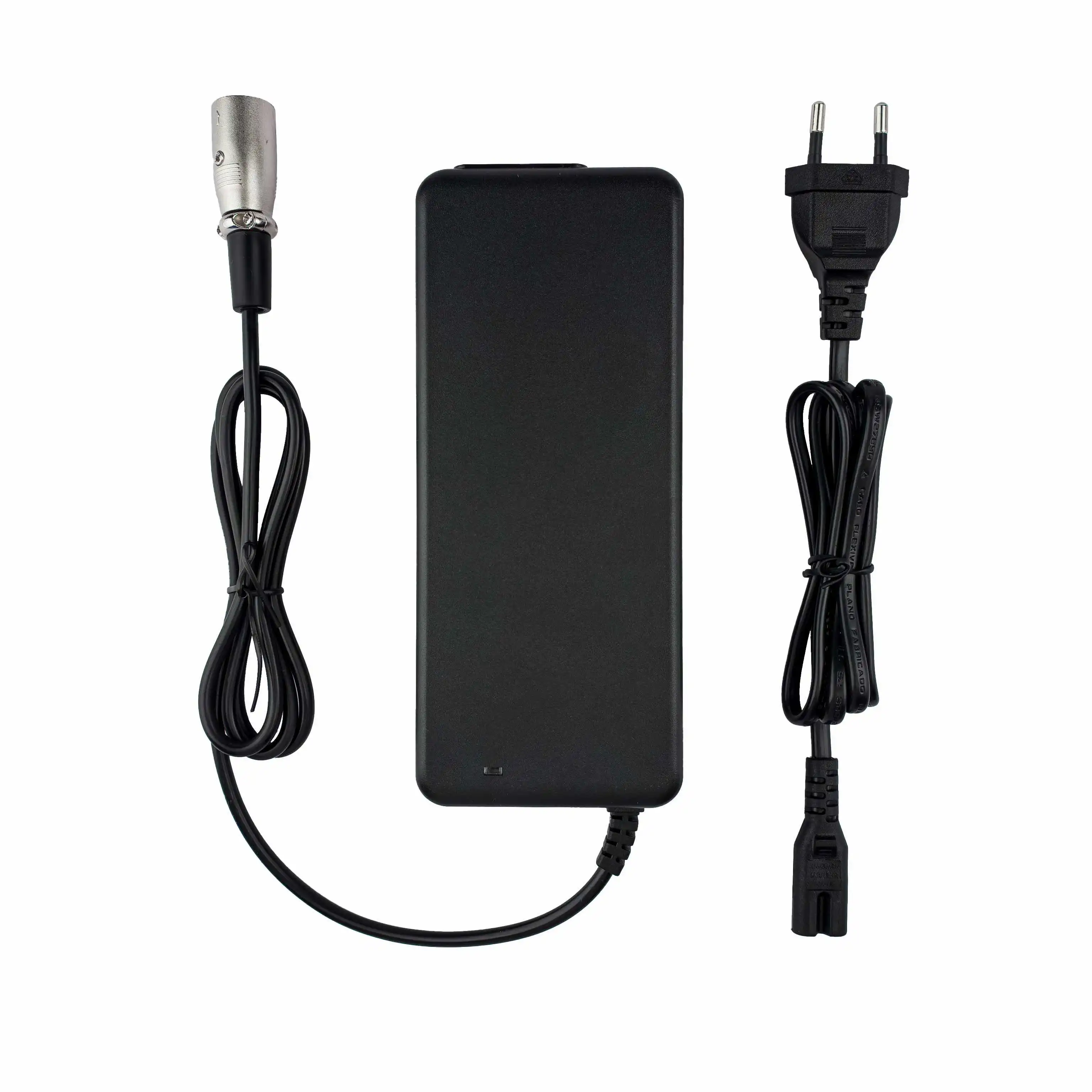
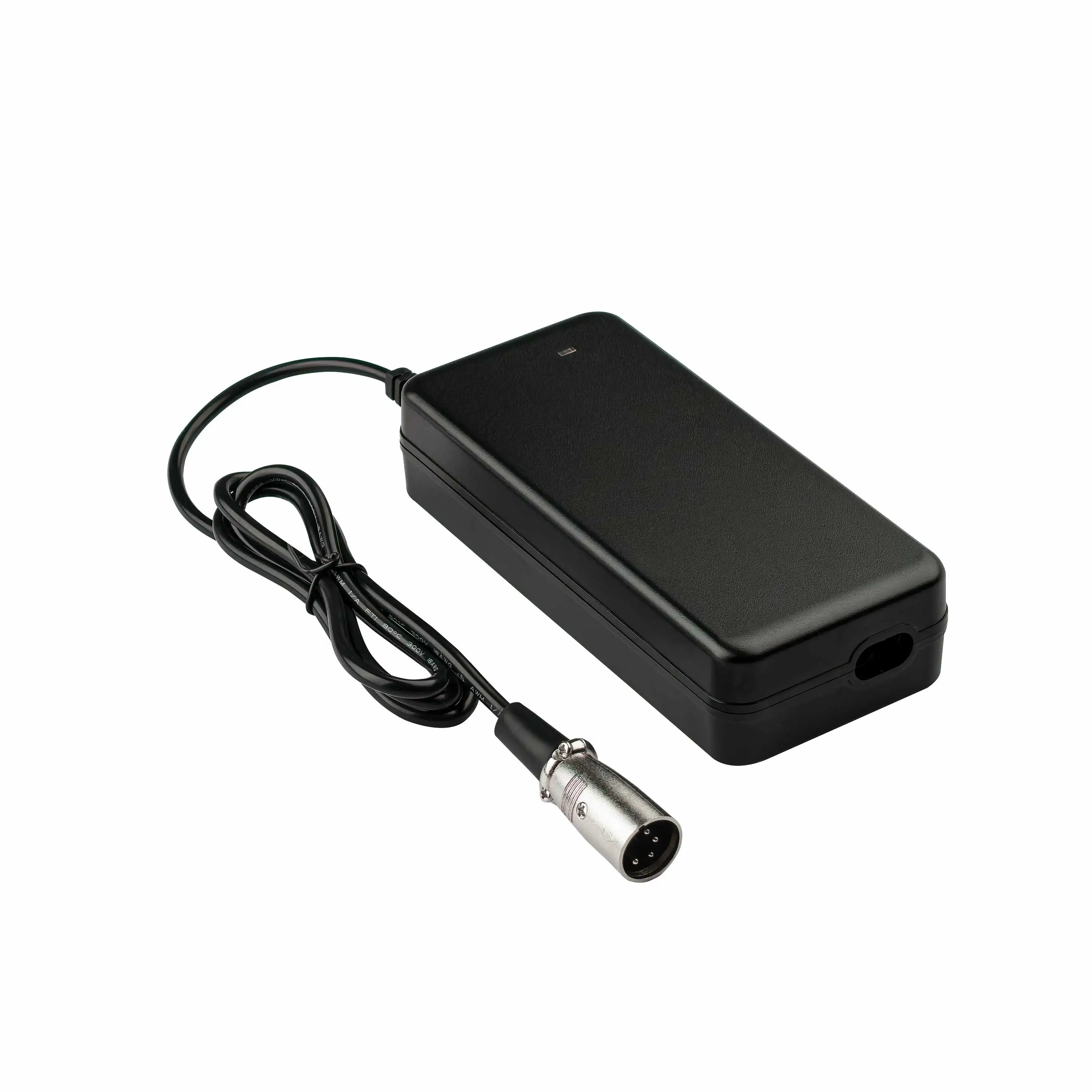
The fastest way to avoid charger compatibility problems is to match the battery system first, then confirm connector and polarity. This guide summarizes the most common voltage relationships.

Voltage matching table

A 42V charger is typically used with 36V nominal lithium batteries, 54.6V with 48V nominal lithium batteries, and 67.2V with 60V nominal lithium batteries. The actual requirement depends on cell count and chemistry.

  • 36V nominal lithium battery → commonly 42V charger
  • 48V nominal lithium battery → commonly 54.6V charger
  • 60V nominal lithium battery → commonly 67.2V charger

Current is not the only speed factor

A higher current charger can shorten charging time only if the battery and BMS support that current. Always verify the maximum charge current before increasing from 2A to 4A.

Connector and polarity are separate decisions

Two chargers with the same output voltage can have different connectors and different polarity. Voltage matching does not replace physical and electrical compatibility checks.
FAQ

Guide questions

Short answers for buyers, Google and AI search systems evaluating charger compatibility.

Can I replace a 2A charger with a 4A charger?

Only if the battery BMS and cells support the higher charge current. Otherwise, use the original current rating.

What happens if the charger voltage is wrong?

Incorrect voltage can fail to charge, damage the battery or create a safety risk. Always confirm the battery specification.

Should I choose charger voltage from the battery label?

Use the battery label and technical battery specification. If unsure, send photos of the battery and connector before ordering.

Project inquiry

Send your battery and connector details.

Include battery voltage, chemistry, connector photos, pinout, destination country and estimated quantity.

Prepare an inquiry

This preview opens your email application. It does not store form data.