Start with battery limits
A larger charger can shorten charging time only when the battery cells and BMS accept the higher current. Buyers should collect the battery label, pack specification, maximum charge current and original charger label before comparing charger power platforms.
- Battery chemistry and series count
- Nominal voltage and full-charge voltage
- BMS maximum charge current
- Thermal and installation environment
Where each power level fits
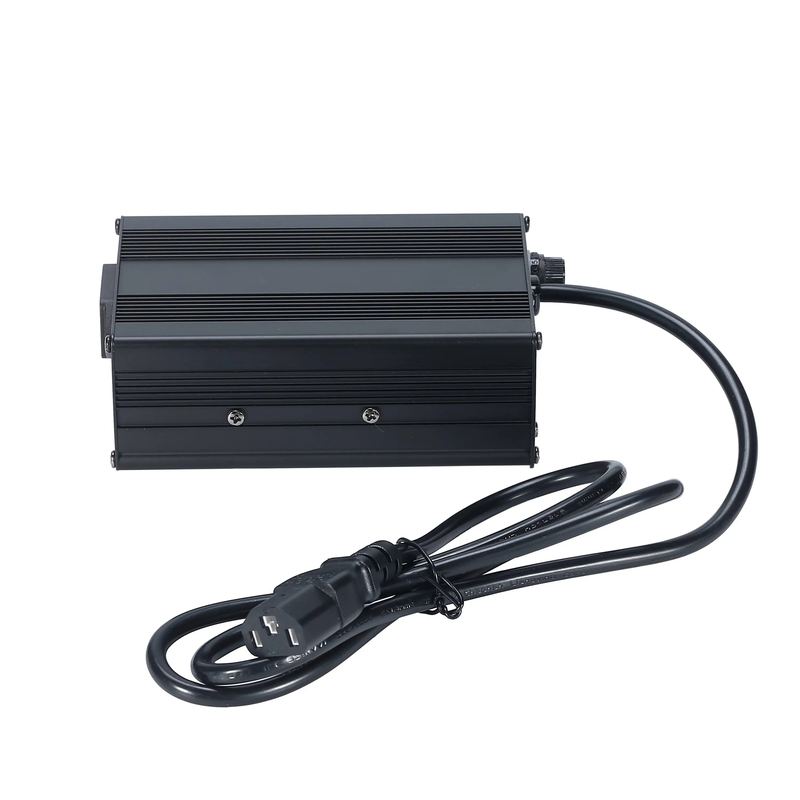
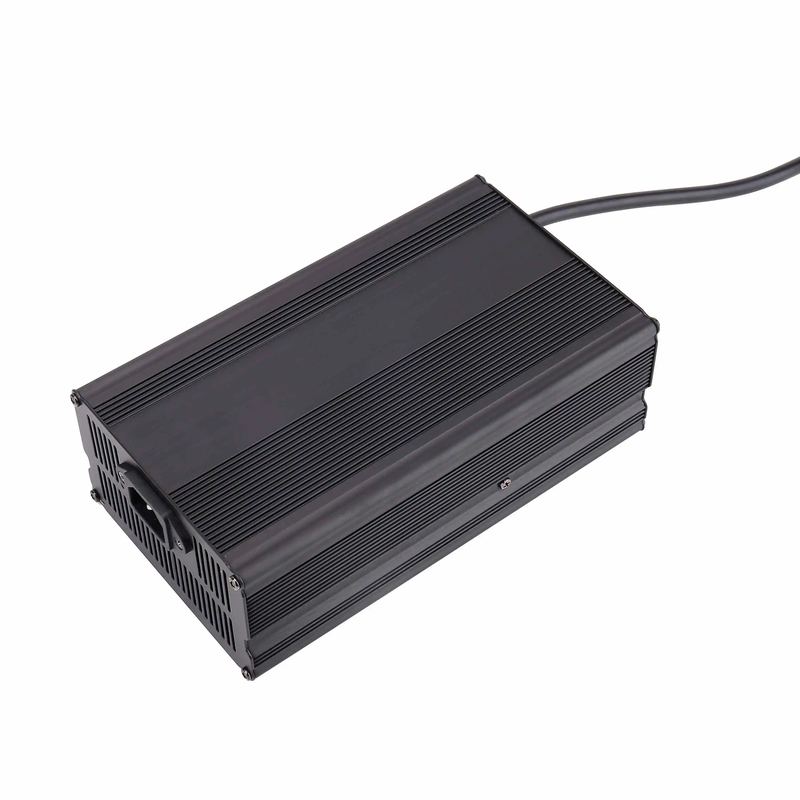
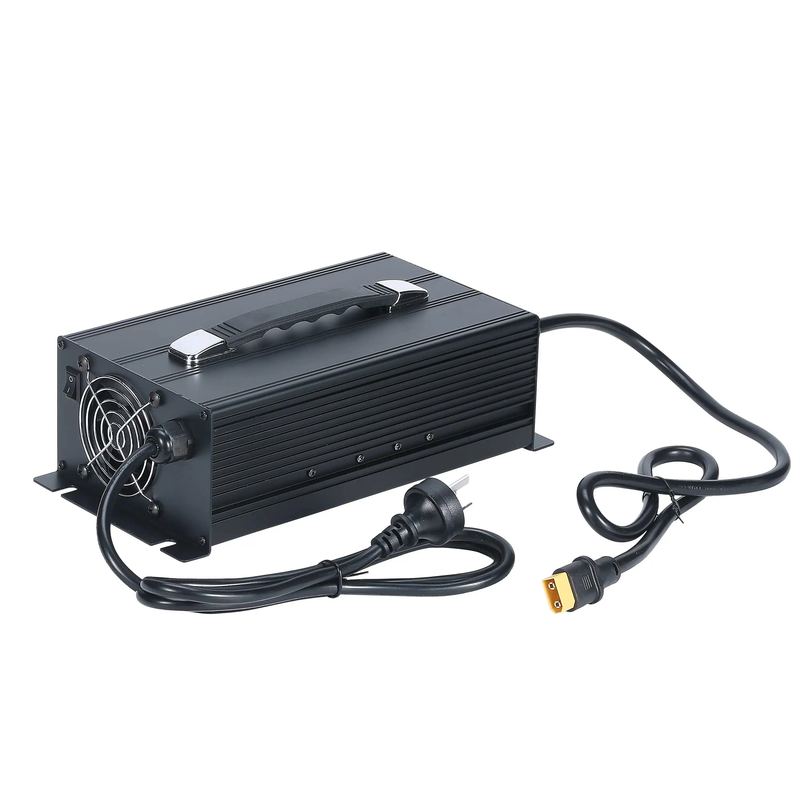
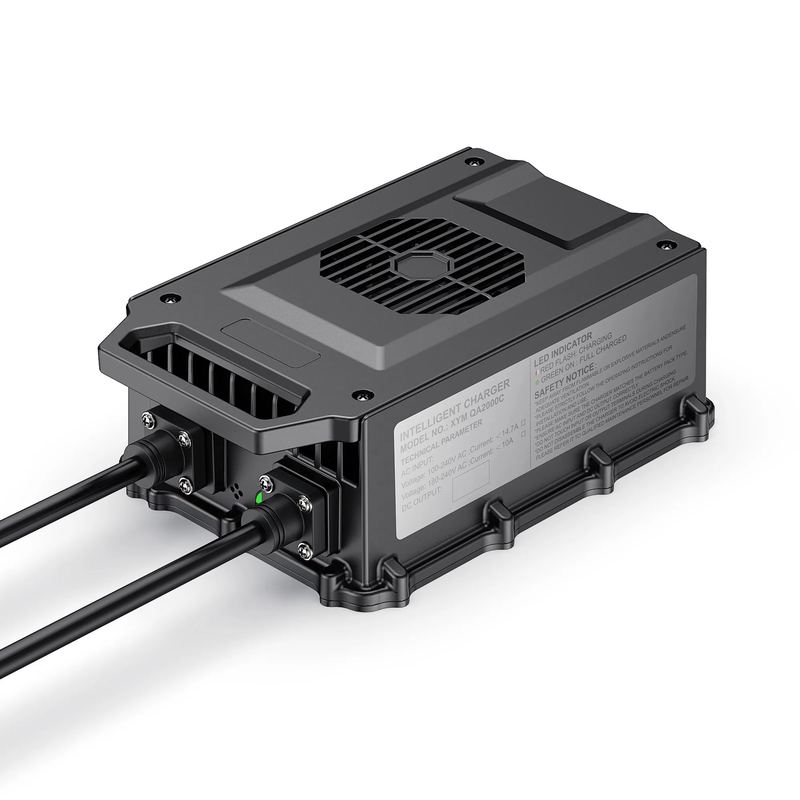
300W and 500W chargers often fit lighter e-mobility packs, 600W chargers suit higher-capacity scooter, e-bike and electric motorcycle projects, 900W chargers can support golf cart and high-power mobility programs, and 2000W chargers are used for EV, utility vehicle and industrial battery packs when the battery system supports the current.
- 300W for compact multi-voltage charger programs
- 600W for higher-capacity lithium packs
- 900W for faster fleet, golf cart and mobility charging
- 2000W for EV, utility vehicle and industrial packs
Connector and cable planning
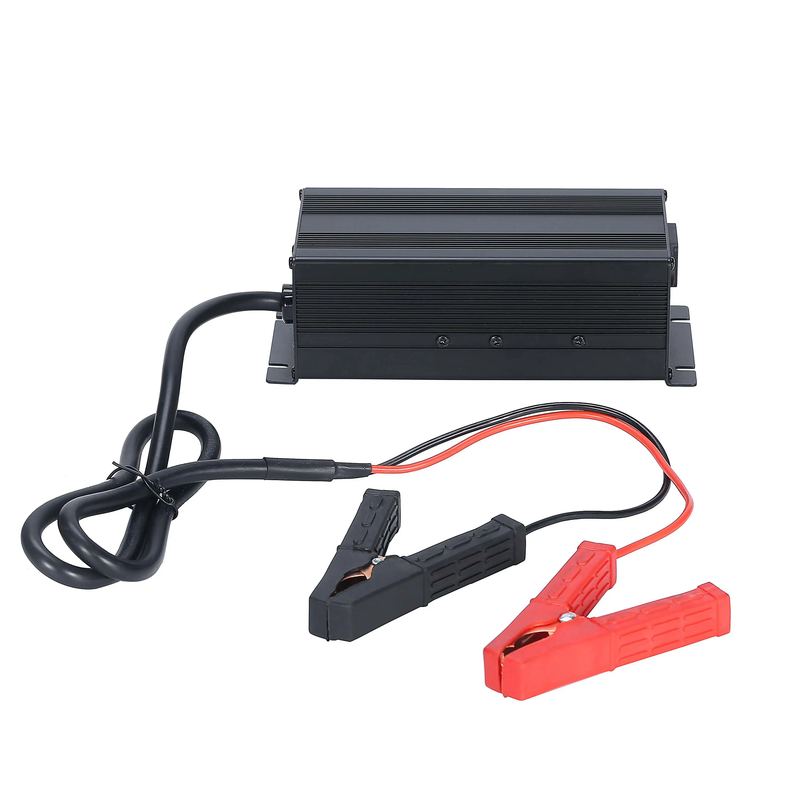
Higher power increases the importance of connector, cable gauge, cable length, strain relief, polarity and installation fit. Anderson, XT60, XLR, clamp output and custom cable harness projects should be separated into clear compatibility records.
Sample approval checklist
Before production, buyers should validate sample charging behavior, heat performance, fan behavior where applicable, connector fit, label content, packaging and plug requirements for the destination country. JuxonPower's minimum order quantity is 100 pcs.