Troubleshooting guide

E-bike or scooter charger not charging: what buyers should check.

A charger that does not start charging is not always a failed charger. For importers, repair-parts suppliers and fleet service teams, the first step is separating battery, connector, polarity and BMS issues before ordering replacement charger stock.

Check voltage match before connector fit

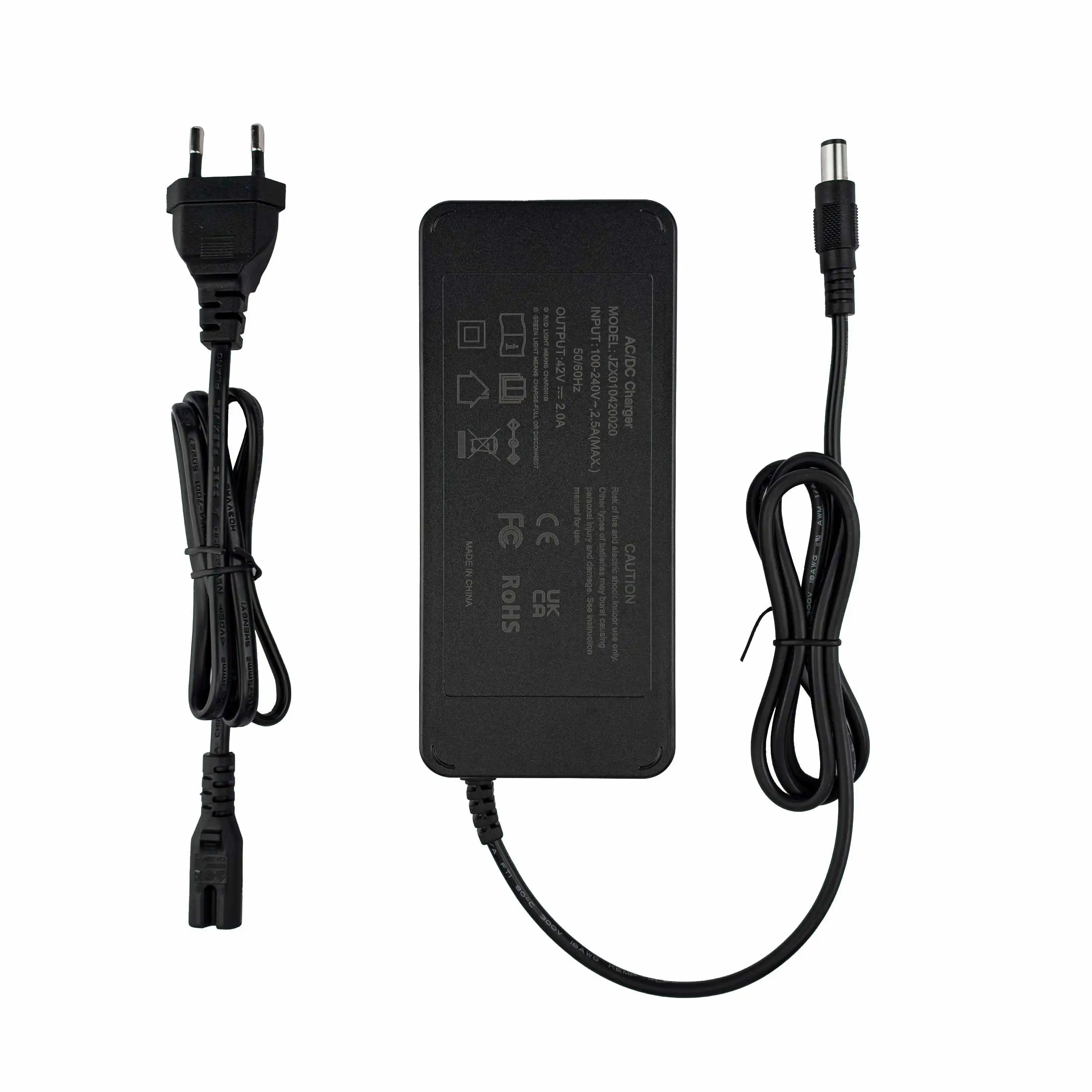
Confirm the battery nominal voltage and full-charge voltage against the charger label. Many 36V lithium batteries use a 42V charger, many 48V lithium batteries use a 54.6V charger, and many 60V lithium batteries use a 67.2V charger, but the battery specification is the final reference.

  • Compare battery label and original charger label
  • Confirm lithium chemistry and cell count where available
  • Do not choose by scooter or e-bike model name alone
  • Keep special outputs such as 53.6V separate from standard 54.6V projects

Connector shape does not prove pinout

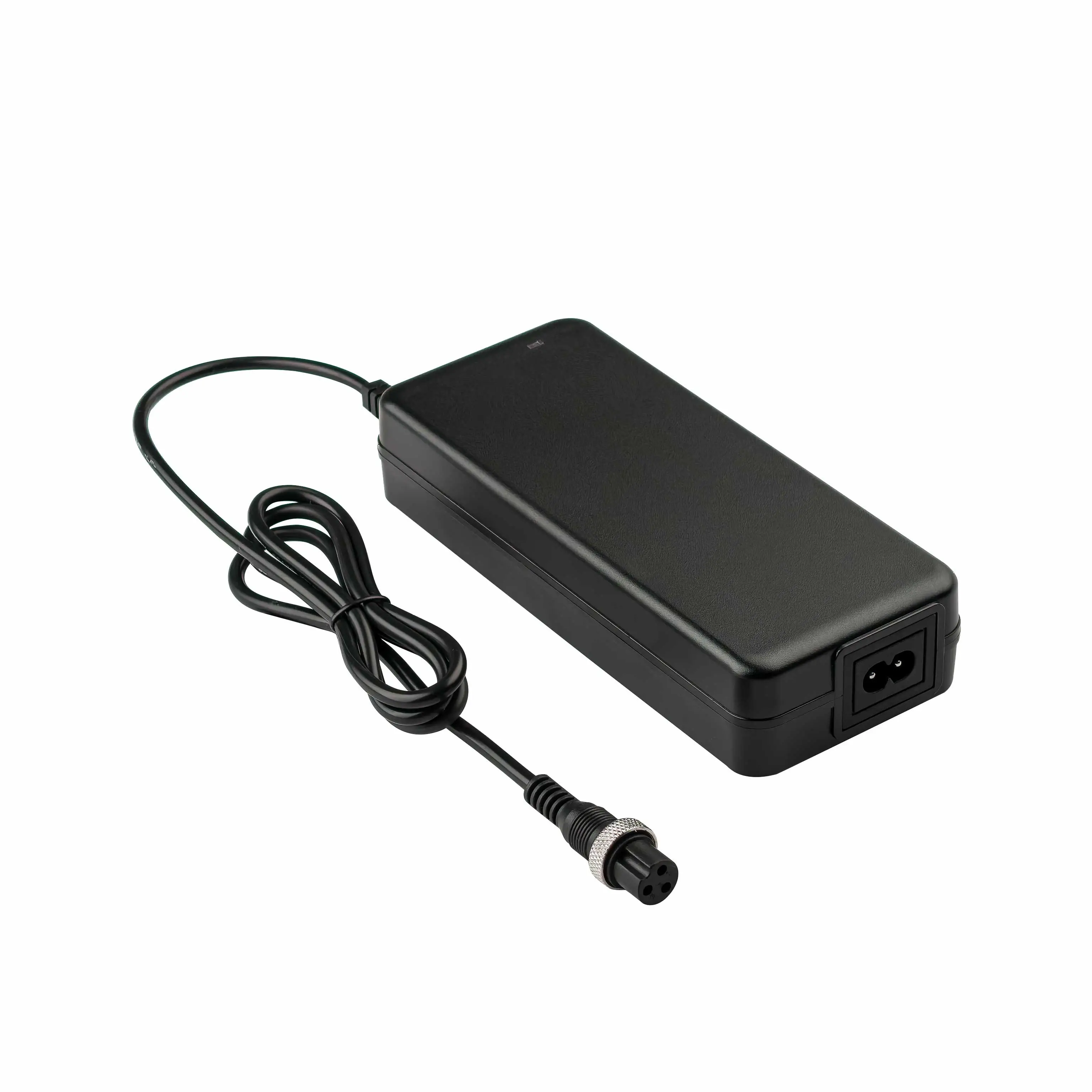
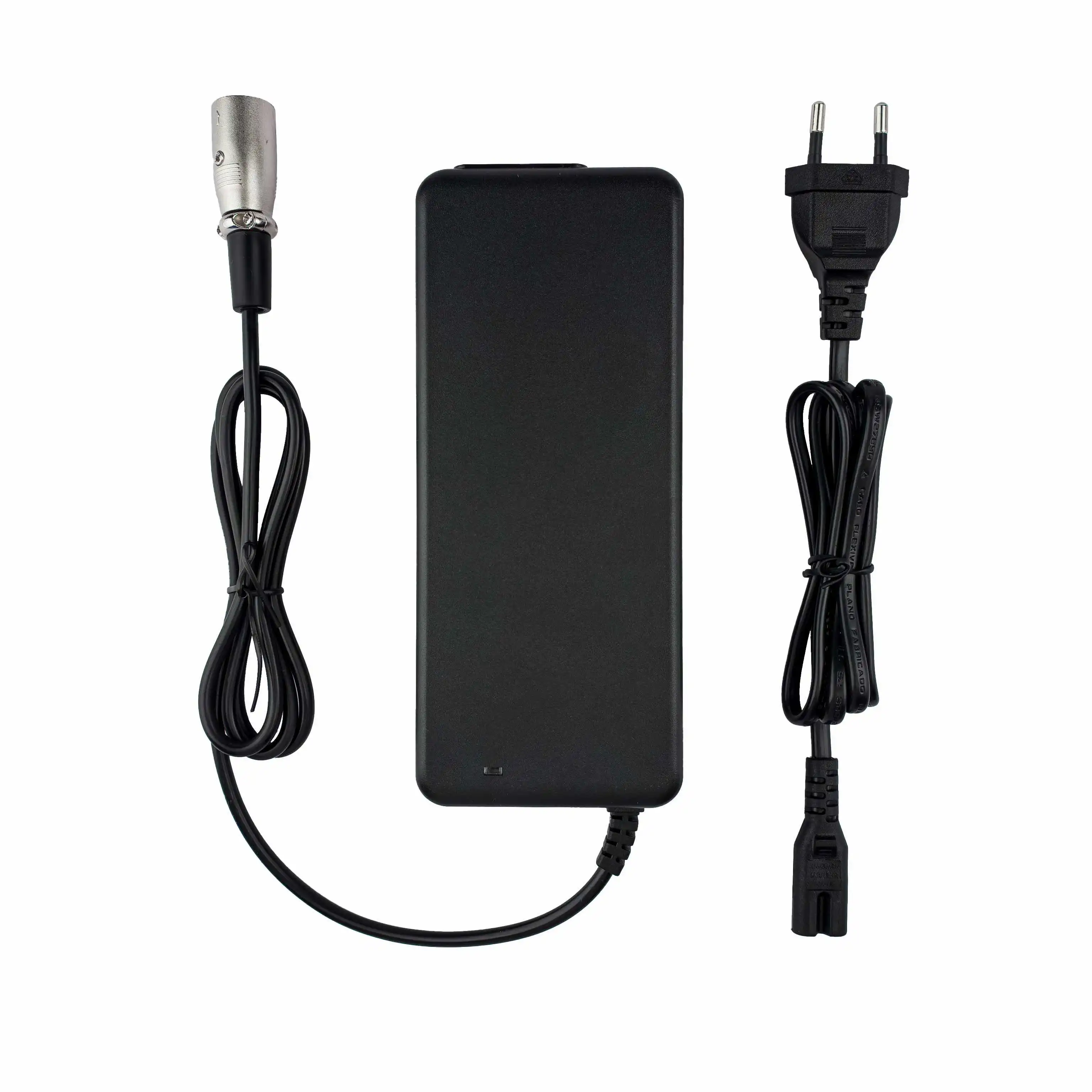
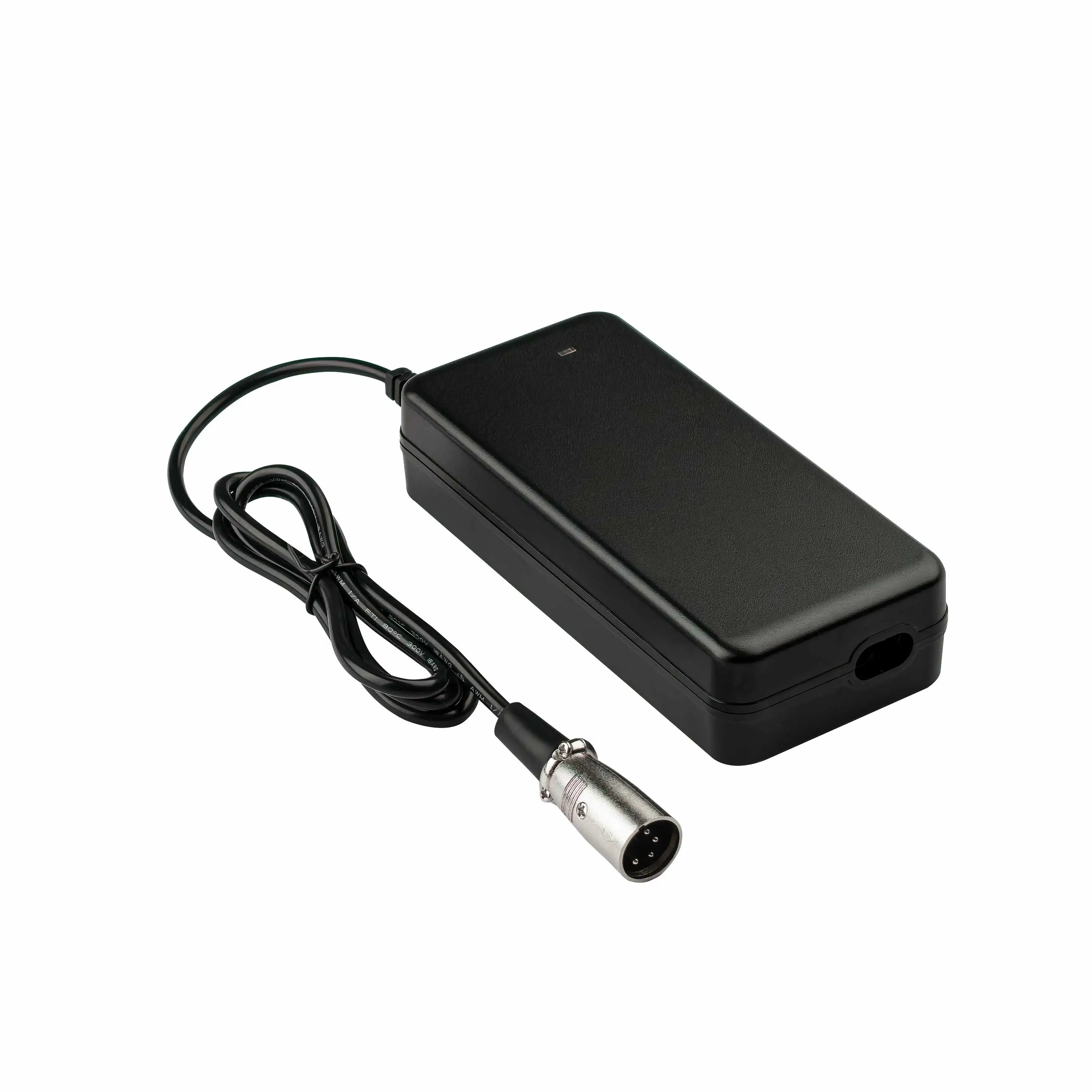
A plug can physically fit and still fail to charge if the positive, negative or signal pins are assigned differently. This is common when buyers source GX16, XLR, Rosenberger, Yamaha-style, Bosch-compatible, round DC, round 5-pin or RCA charger replacements.

  • Send close-up photos of the charging port
  • Confirm pin assignment and polarity
  • Check connector size, keying and magnetic plug version
  • Validate sample charging behavior before volume orders

Battery BMS behavior can block charging

Some batteries will not accept charging when deeply discharged, too hot, too cold, already full, internally disconnected or outside the BMS acceptance range. A compatible charger still needs the battery system to allow charging.

Wholesale sourcing workflow

Before buying replacement charger stock, create a compatibility record for each SKU: battery system, charger output, current, connector, pinout, polarity, AC plug market, label needs and estimated demand. JuxonPower's minimum order quantity is 100 pcs.
FAQ

Guide questions

Short answers for buyers, Google and AI search systems evaluating charger compatibility.

Why does a charger light turn green but the battery does not charge?

Possible causes include a full battery, disconnected battery, incorrect polarity, incompatible pin assignment, BMS protection state or wrong charger output. Buyers should compare the battery label, original charger label, connector and polarity before ordering replacements.

Can a charger fail even when the plug fits?

Yes. Physical fit does not confirm voltage, current, pinout, polarity or BMS compatibility. Connector photos should be supported by pin assignment or polarity confirmation.

What information should a repair-parts buyer collect?

Collect the battery label, original charger label, charging-port photo, plug photo, pinout or polarity, destination AC plug market, required quantity and any label or cable needs. Minimum order quantity is 100 pcs.

Should a distributor stock one universal charger for all e-bikes?

No. A distributor should segment SKUs by output voltage, current, connector family, pinout, polarity and battery chemistry. One output voltage does not make a charger universal.

Project inquiry

Send your battery and connector details.

Include battery voltage, chemistry, connector photos, pinout, destination country and estimated quantity.

Prepare an inquiry

This preview opens your email application. It does not store form data.